
Heritage · Lymington's shipyards
Joseph Weld & the Inman Family
The vision, craftsmanship and enterprise that helped shape Lymington's maritime heritage.
Nearly 200 years ago, the ambitions of Joseph Weld and the craftsmanship of Thomas Inman helped establish Lymington as an important centre of competitive yachtbuilding.
Their achievements reflected something greater than the creation of remarkable yachts: a partnership between investment, innovation and the exceptional skills of local people.
That legacy would continue through the Inman family and successive generations of Lymington's maritime community.
The Visionary · 1777–1863
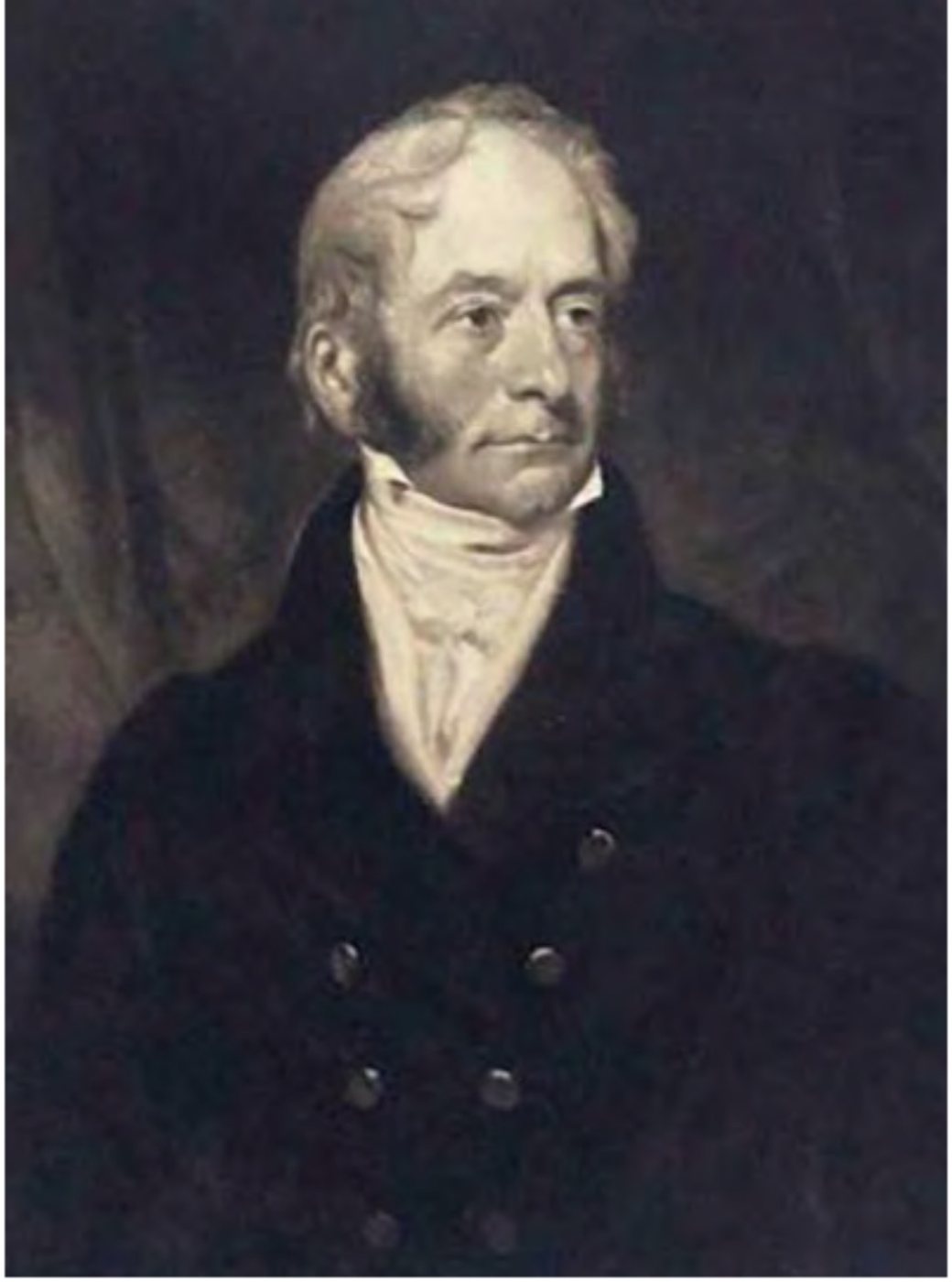
Joseph Weld
A member of the wealthy Weld family of Lulworth Castle, Joseph Weld became an influential figure in the early development of competitive yachting.
His father acquired Pylewell for him around 1801, establishing a close connection with Lymington and the Solent.
By 1815, Weld was a founding member of the Yacht Club at Cowes, which subsequently became the Royal Yacht Squadron.
Weld's passion extended beyond racing. He took an active interest in yacht design and performance, investing substantial resources in developing vessels capable of competing at the highest level.
His ambitions created important opportunities for the skilled craftsmen of Lymington.
The Place
Pylewell & the Solent
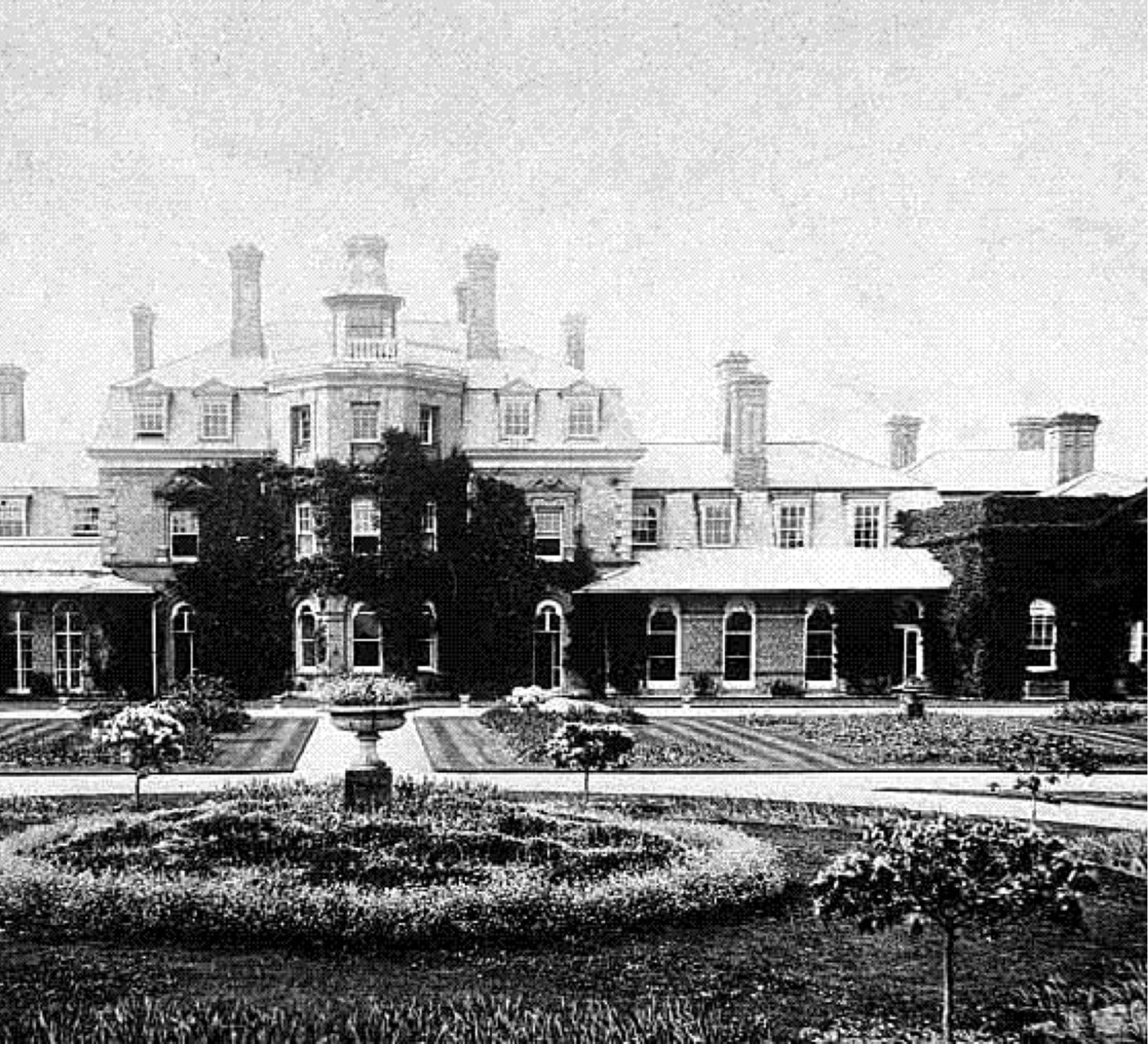
The estate lay east of Lymington, with access to the Solent and the racing society developing around Cowes. Weld improved its farms and gardens, developing North Park by 1818 and creating South Lake around 1822.
Published accounts connect Thomas Inman's early work for Weld with Pylewell, on the east side of the river, before Inman established his own yard on the western bank. St Barbe Museum dates Weld's invitation to Inman to around 1819.
The Master Boatbuilder · c.1786–1870
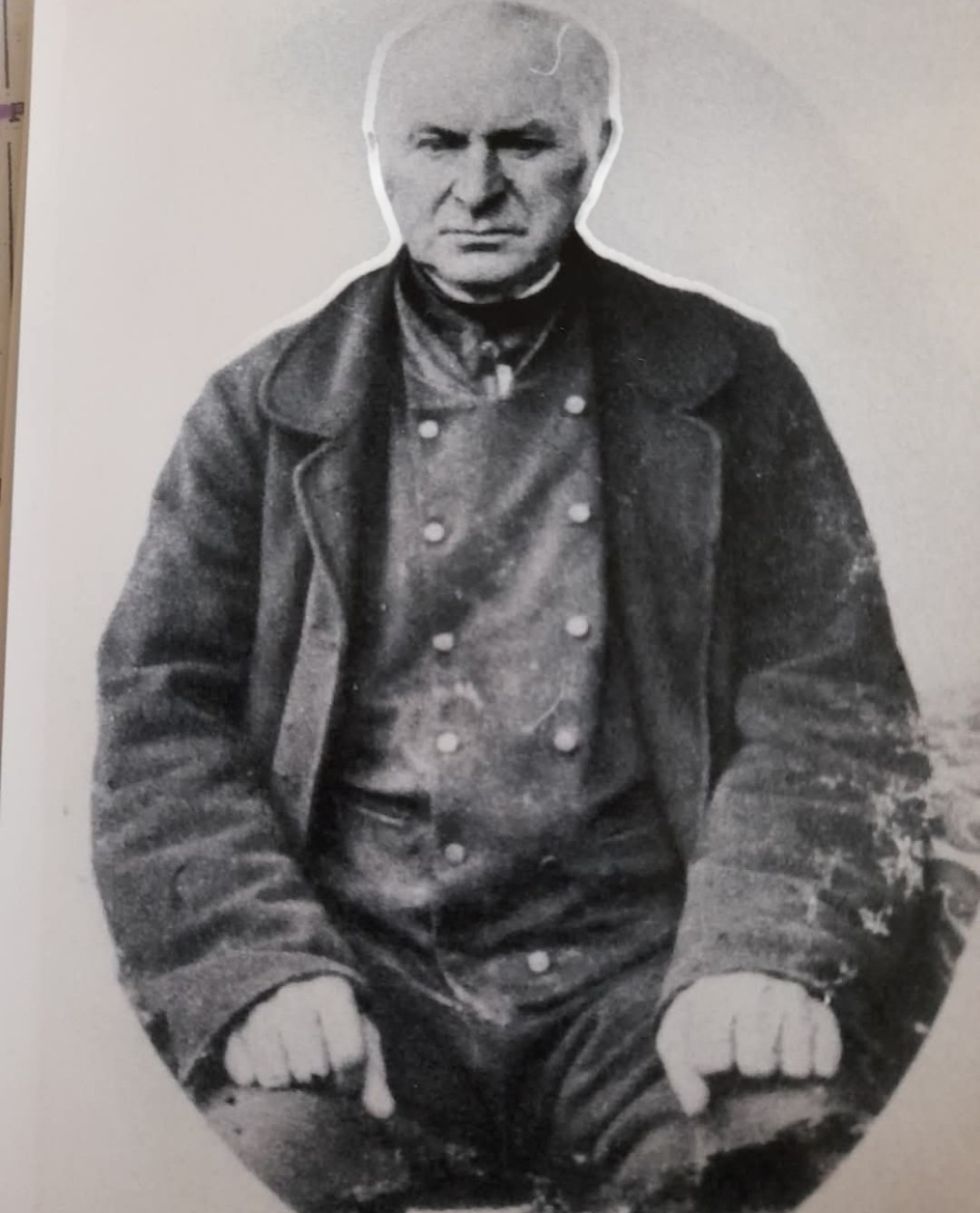
Thomas Inman
Thomas Inman was one of the skilled boatbuilders whose work helped establish Lymington's reputation for exceptional yacht construction. Published histories describe him as a boatbuilder from Hastings; Berthon dates his purchase of the Lymington yard to 1819.
His association with Joseph Weld produced notable yachts, including:
- 1821 — Arrow
- Built by Inman and closely associated with Joseph Weld, Arrow won the Royal Yacht Club's first £100 Gold Cup at Cowes in 1826. Accounts of her original commission and design attribution vary.
- 1830 — Alarm
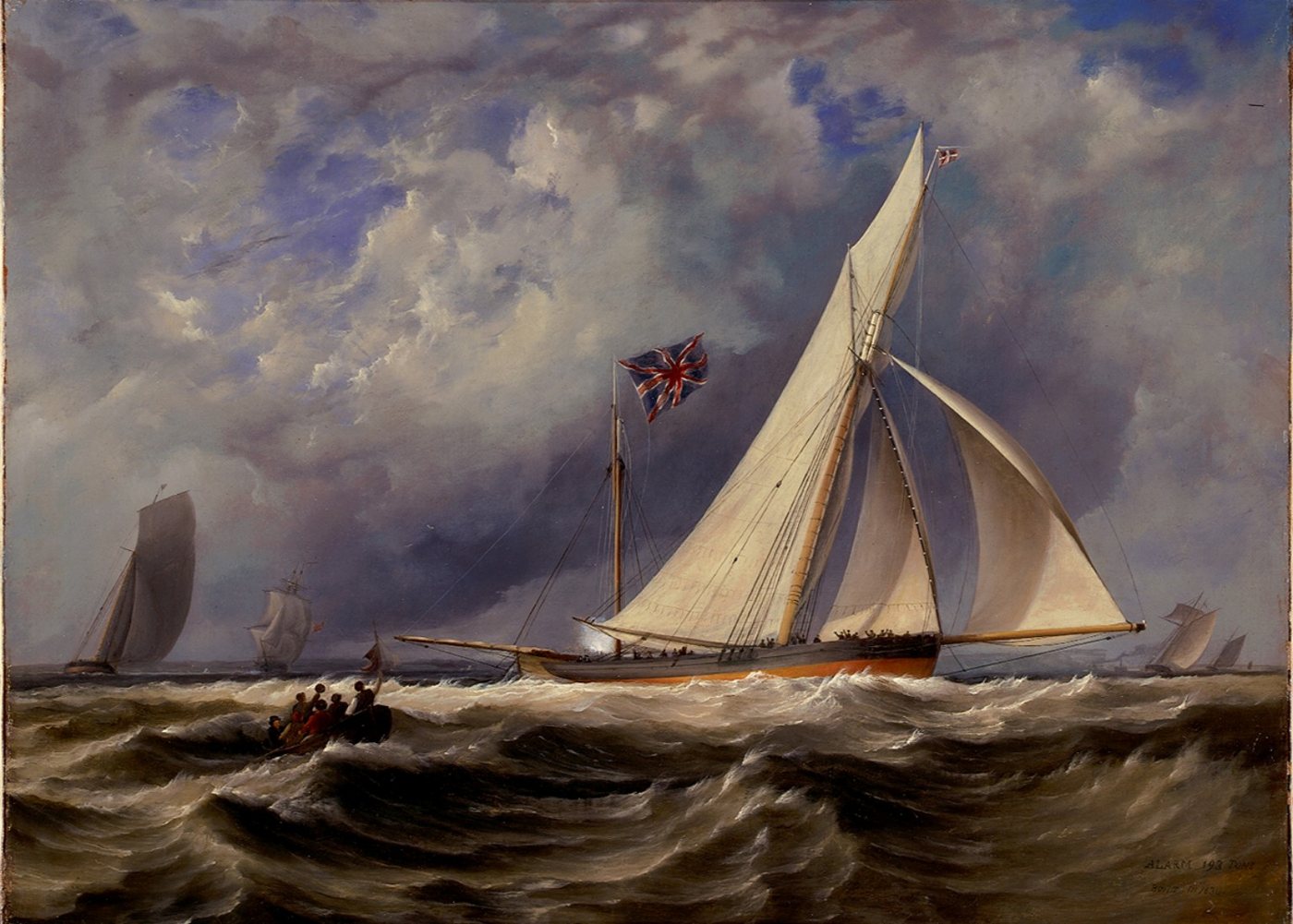
- Built by Thomas Inman at Lymington for Joseph Weld, Alarm became one of the celebrated yachts associated with the early development of competitive sailing.
The construction of such vessels demanded advanced craftsmanship, skilled teamwork and continual technical improvement. Alongside racing yachts, the yard built fast Revenue cruisers for government service between 1822 and 1838.
The Continuing Legacy · 1817–1883
George Inman
George Inman, born in 1817, was the eldest son of Thomas Inman and his first wife, Elizabeth Phillips. When Thomas retired — reportedly in 1845 — George and his younger brother James carried the business forward.
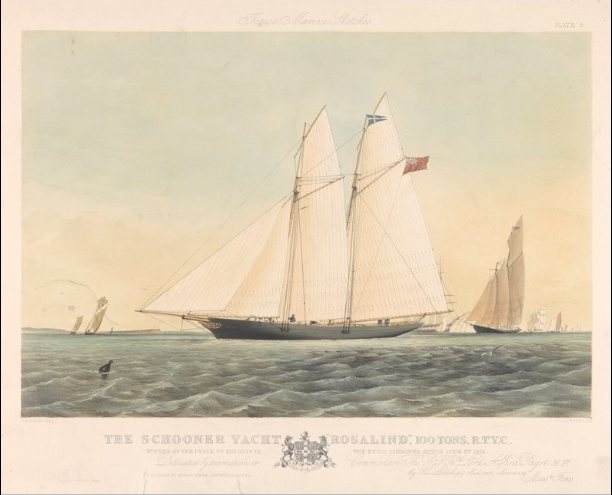
The Royal Yacht Squadron credits the schooner Stella (1851) to George and James Inman. Later output included schooners such as Rosalind, and in 1863 George's yard built the paddle steamer Solent for local passenger service.
George's role extended into civic life. The published mayoral list records him as Mayor of Lymington in 1852; he acquired the Sea Water Baths in 1855 and joined the promoters of the Lymington–Brockenhurst railway scheme in 1856.
He died on 20 October 1883. His son Edwin carried the shipbuilding connection into a third generation — a reminder that specialist woodworking, design and boatbuilding knowledge passed from one generation to the next.
Dates and relationships here follow the supplied research. Some family details are drawn from descendants' material and parish records still being verified.
The waterfront
The Bath Road Connection
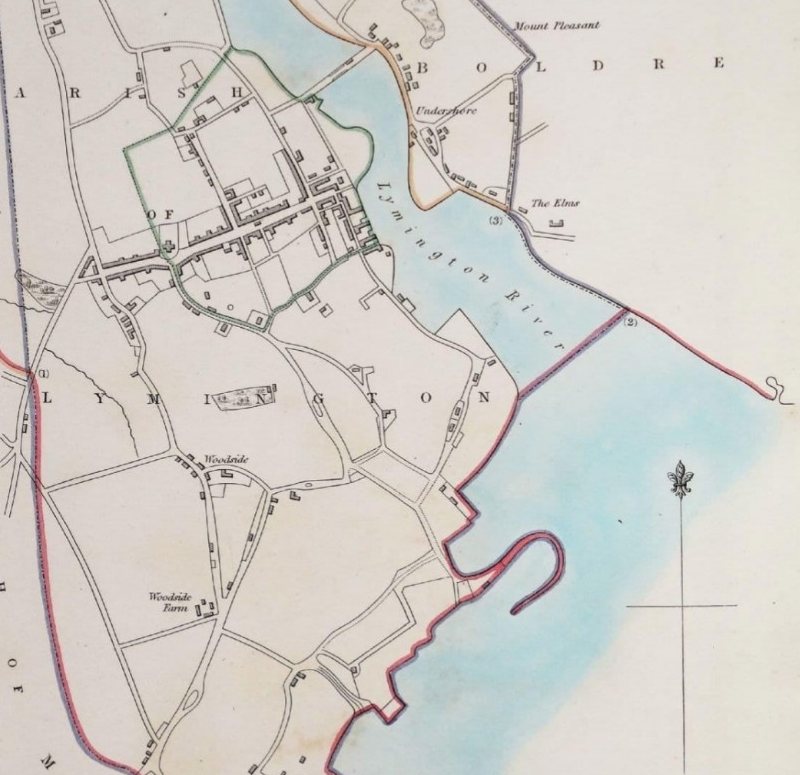
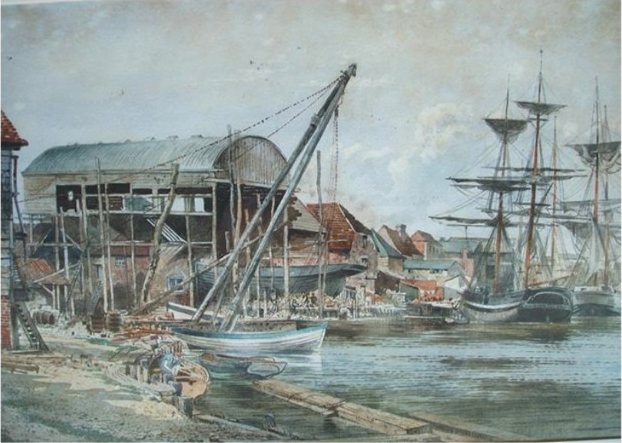
The Inmans' working landscape combined firm building ground with tidal foreshore and mud berths. Shipwrights, sawyers, blacksmiths, joiners, riggers and sailmakers supported each launch, and property descriptions record storehouses, sheds, saw pits and timber yards. The 1840 tithe records identify Thomas as owner and occupier of a “Ship Yard”.
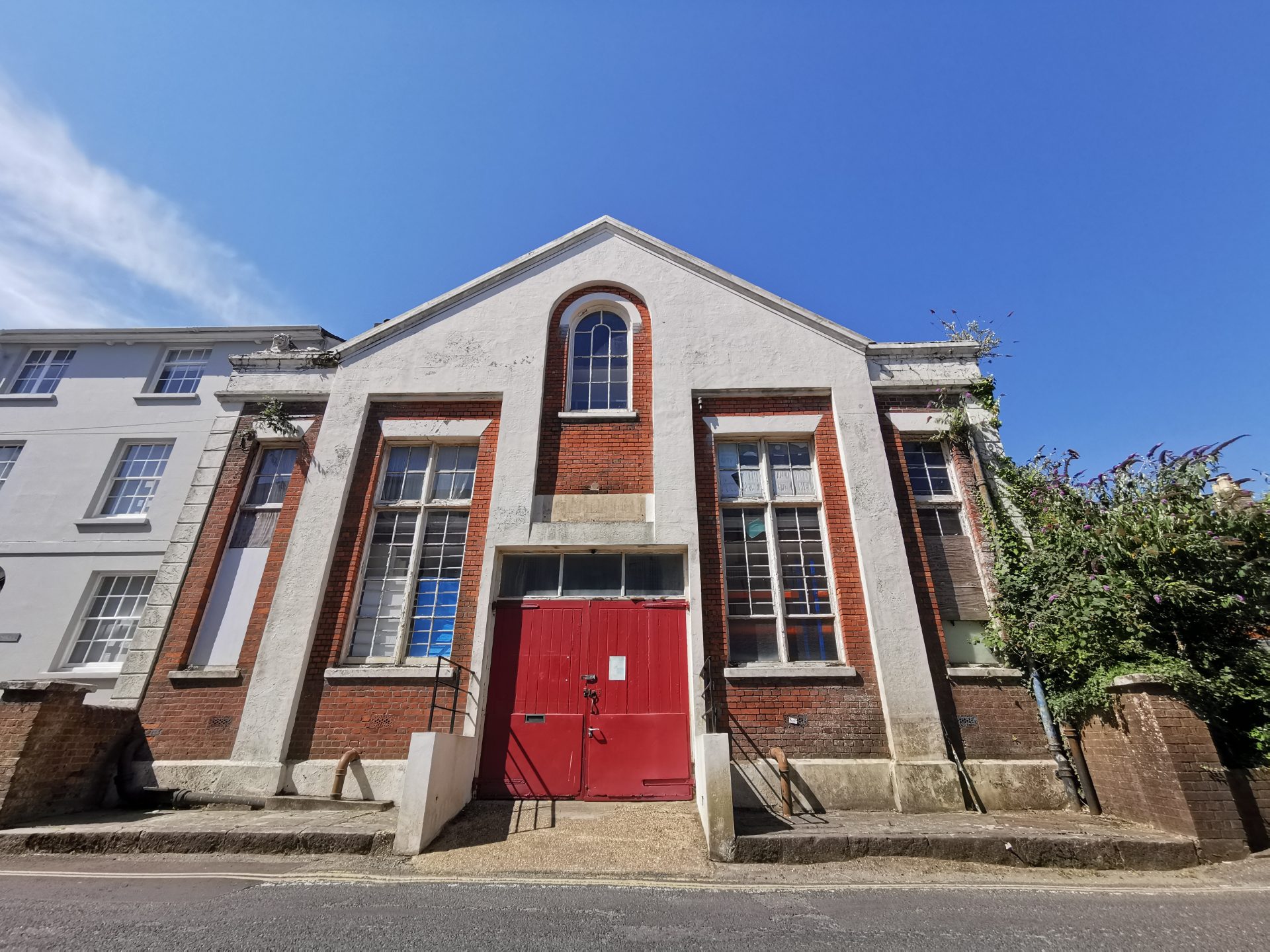
The present Drill Hall on Bath Road occupies a site associated with this maritime history, and local historical accounts identify it as a former Inman yard building.
Its precise relationship to the nineteenth-century Inman operations — including whether it served as a mould loft — remains the subject of historical investigation.
A Legacy Worth Building Upon
Joseph Weld brought ambition and investment.
Thomas Inman brought craftsmanship and ingenuity.
The Inman family's continuing story reminds us that knowledge, skills and enterprise can create a legacy lasting generations.
These are the qualities Maritime Futures Hub hopes to nurture in the young people of Lymington today.
Nearly two centuries after Weld and Inman helped shape the town's maritime reputation, we have an opportunity to inspire its next generation of innovators, makers and entrepreneurs.
OUR HERITAGE. OUR COMMUNITY. OUR FUTURE.
Discover our vision for the Drill Hall →Historical Sources & Further Reading
Drawn from the Maritime Futures Hub illustrated research briefs of 25 October 2026. Where accounts differ or original records have not yet been found, this page says so.
Joseph Weld, Pylewell and the yachts
- Ian Dear, AYH Journal 2019–2020, pp.12–13 (Weld's design involvement; portrait after Guest & Boulton, 1903).
- Montague Guest & William B. Boulton, Memorials of the Royal Yacht Squadron (1903), pp.102–103 (yacht costs and early spending).
- Historic England, Pylewell Park, National Heritage List entry 1000169 (purchase c.1801 and landscape changes).
- Pylewell Park, “History of Pylewell Park” (photograph of Pylewell House).
- Royal Yacht Squadron, History of Cowes Week (1826 Gold Cup).
- Royal Yacht Squadron, The Yacht America (1851 race; Arrow, Alarm and Stella).
- Royal Museums Greenwich, Alarm winning the Ladies Challenge Cup, 1830, BHC4182.
- Royal Lymington Yacht Club historical notes (Charlotte, the later Lulworth, Alarm price).
- St Barbe Museum, in The Berthon Book 2024–2025 (Weld's invitation to Inman, c.1819).
Thomas, George and James Inman
- Berthon, History and Timeline (yard purchase dated 1819).
- Brian May, Berthon history talk (2024), pp.17–18 and 35 (retirement, waterfront, 1901 estate).
- E. Keble Chatterton, King's Cutters and Smugglers, Appendix IV (Revenue cruisers).
- Edward King, Old Times Re-visited, mayoral list (George Inman, mayor 1852).
- Historic England, Sea Water Baths, list entry 1412289 (George's acquisition, 1855).
- Royal Museums Greenwich, Rosalind (Fores's Marine Sketches, plate 9), PAH8722.
- 1840 tithe records; Thomas Inman's will (1868) and probate (1870); 1855 settlement research — Maritime Futures Hub working documents.
- Inman family material supplied by descendants and the Best-Evidence Working Tree (10 September 2026); some relationships await independent verification.
Bath Road and the waterfront
- Catalogue of British Town Maps, Lymington c.1836 (The National Archives T72/13); supplied Dawson boundary plan.
- Supplied Berthon image of a Lymington shipyard — dating conflict (1815 or 1876) retained.