Heritage · Lymington's shipyards
Who Was Thomas Inman?
The boatbuilder whose work connects Lymington with the beginnings of Cowes Week and the America's Cup.
Thomas Inman's work connects Lymington with two defining moments in sailing history.
His yacht Arrow won the celebrated 1826 Gold Cup race at Cowes. Twenty-five years later, Arrow and Alarm competed in the race around the Isle of Wight won by America — the event from which the America's Cup originated.
These connections place a Lymington boatbuilding yard within the formative history of organised yacht racing. They also illuminate a wider story: skilled craftsmanship, ambitious owners and a waterfront enterprise whose reputation reached beyond its home river.
Inman was not the founder of Lymington boatbuilding, which predated his business.
From Hastings to Lymington
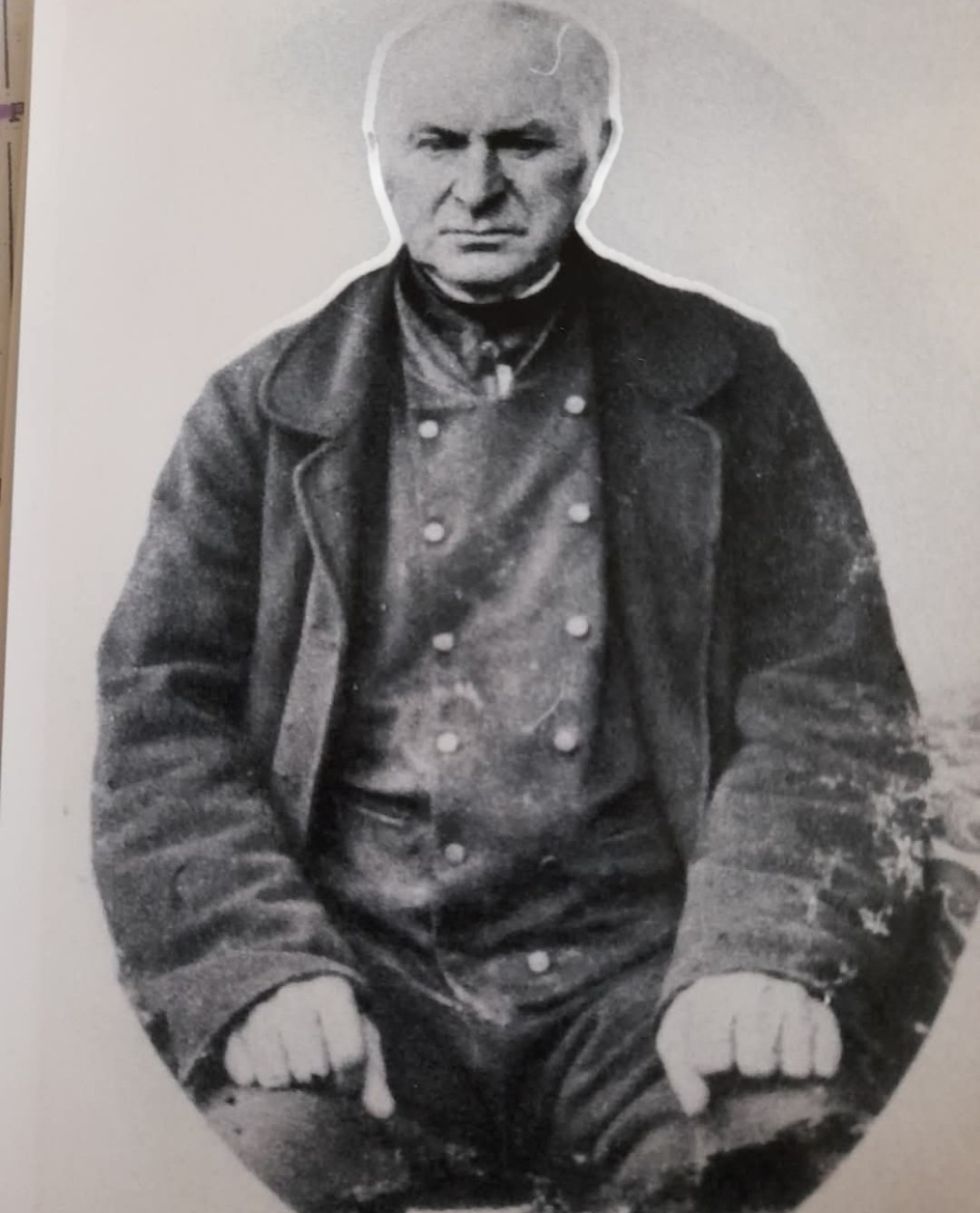
The Royal Lymington Yacht Club's published history records that Thomas Inman came from Hastings in 1821. Other accounts place his involvement with the Lymington area earlier.
The Hastings connection is an important starting point, but it does not establish where he was born, how he trained or the circumstances of his move.
Research note: his birthplace, apprenticeship and early employment remain unverified. Lifespan dates will be published only once original records have been checked.
Source: Royal Lymington Yacht Club: The First Yacht-Builders
Joseph Weld and Pylewell
Joseph Weld was an important patron in Inman's career. Published histories connect their early work with Pylewell, on the eastern side of the Lymington River, before Inman established his yard on the western bank.
Their association brought together a committed yachtsman's resources and ambitions with professional boatbuilding expertise. It offers a powerful example of how patronage and practical skill contributed to the development of early racing yachts.
A museum-authored account published in the Berthon Book places Weld's invitation to Inman at around 1819. This is a published account awaiting corroboration from original records.
Source: Berthon: History and Timeline
Establishing the yard
Berthon's published history dates Thomas Inman's purchase of the yard to 1819 and describes its work as including customs cutters and gentlemen's sailing yachts.
The differing dates in accounts of his arrival and establishment may represent different stages in his career, but that explanation has not been proved.
The former Inman yard belongs to the history of the waterfront site now occupied by Berthon. Its story illustrates successive generations of maritime enterprise rather than the founding of the modern Berthon company by Inman.
The chronology of Inman's move and yard acquisition remains under investigation.
Source: Berthon: History and Timeline
1826
A Lymington-built winner at the beginning of the Cowes Week story
On 10 August 1826, Joseph Weld's Arrow won the Royal Yacht Club's Gold Cup race at Cowes.
Seven cutters entered. Arrow finished three minutes ahead of Harriet, with Menai third. The prize was a gold cup valued at £100.
The race followed a course within the Solent. The advertised route took competitors west towards Yarmouth and east towards Southsea before returning to Cowes; the Squadron's history notes a difference between the advertised course and a newspaper account.
This was a formative event in the development of Cowes Week. Cowes already had regatta traditions, but 1826 marked the introduction of organised yacht racing for cups by the Royal Yacht Club.
Two hundred years later, the anniversary gives Lymington a particular reason to remember Arrow and the boatbuilding enterprise that produced her.
Why it matters (interpretation): this was more than an appearance in a historic fleet — an Inman-built yacht won a foundational Cowes race, a tangible example of the standing of the yard's work. It was not the first race at Cowes, nor a race around the Isle of Wight.
Source: Royal Yacht Squadron: History of Cowes Week, which identifies Weld as Arrow's owner in 1826.
1851
The Inman yard in an international sailing story
On 22 August 1851, the Royal Yacht Squadron held a race around the Isle of Wight open to yachts from clubs of all nations. America won the Cup of One Hundred Sovereigns, the trophy later known as the America's Cup.
- Arrow: built in 1821; owned by Thomas Chamberlayne.
- Alarm: built by Thomas Inman at Lymington in 1830; owned by Joseph Weld.
- Stella: built by George and James Inman at Lymington in 1851; owned by Richard Frankland. She took her station but did not start. (Some accounts use "Strella"; flagged for reconciliation in the register.)
Arrow grounded at Mill Bay. Alarm and a steamer went to her assistance; neither yacht completed the race.
In 1852, Alarm was lengthened twenty feet at the bow and converted from cutter to schooner. In 1857, the trophy was presented to the New York Yacht Club as a perpetual challenge prize. The next contest for it followed in 1870.
Why it matters (interpretation)
- Across generations: the event brings together Thomas's earlier vessels and a yacht attributed to the succeeding Inman builders.
- Across decades: Arrow's story links the beginnings of Cowes Week with the origins of the America's Cup.
- Local work, international stage: the yard's output took part in an event of enduring importance.
- Careful attribution: a family business's achievements should not all be credited personally to its founder.
Three events, clearly distinguished
| Event | Date | Relationship to the Inman story |
|---|---|---|
| Foundational Royal Yacht Club Gold Cup race at Cowes | 1826 | Won by Joseph Weld's Arrow; part of the origins of Cowes Week. |
| Race around the Isle of Wight won by America | 1851 | Arrow and Alarm competed; Stella entered but did not start. |
| Island Sailing Club's Round the Island Race | First held in 1931 | A separate, later event; no Inman participation is implied. |
Sources: Royal Yacht Squadron: History of Cowes Week; Royal Yacht Squadron: The Yacht America; Round the Island Race: Official History
What Inman contributed to Lymington
Thomas Inman helped strengthen Lymington's reputation as a place capable of producing ambitious sailing yachts.
His career connected waterfront craftsmanship with influential owners and competitive sailing. The boats associated with his yard brought the town into events whose importance extended far beyond the Solent.
Behind each vessel stood practical expertise. Wooden yacht construction required a combination of skills, materials and suppliers. Although we have not yet reconstructed Inman's workforce, the story provides an opportunity to recognise the working people whose contribution made such vessels possible.
Retirement and succession
Brian May's published history of Berthon reports that Thomas retired in 1845, leaving the business to his sons. This remains a useful working date requiring confirmation from contemporary records.
Later vessels belong to the wider Inman enterprise and are not assumed to have been designed or built personally by Thomas. The Inman family story will follow as a separate chapter.
The Drill Hall connection
Maritime Futures Hub is investigating whether the present Drill Hall served as a mould loft or another workshop associated with the Inman boatbuilding operation.
A mould loft was used to set out a vessel's shapes at full size and prepare patterns for construction. Whether this was the building's original function remains unproven.
The racing history is not evidence that Arrow or Alarm was designed, lofted or built inside the Drill Hall. The vessels' provenance and the building's provenance require separate evidence.
Research still needed
- Birth, baptism, parents and verified lifespan.
- Hastings work, training and apprenticeship.
- First contact with Weld and the Pylewell chronology.
- Yard acquisition deeds and boundaries.
- Vessel-specific design and construction attribution.
- Workforce, apprentices and suppliers.
- Retirement, succession and later life.
- The Drill Hall's date, original function and ownership.
From Arrow's victory at Cowes in 1826 to the Inman-built yachts associated with the America's Cup's founding race, this is a story of Lymington craftsmanship reaching an international stage.
Maritime Futures Hub aims to help a new generation discover that inheritance — and the practical skills through which its next chapter can be made.