Skip to content
Maritime Futures HubLymington

Heritage · The Drill Hall's military story

From Rifle Volunteers to D-Day

Over 160 years of service, sacrifice, training and community.

Behind the familiar red doors of Lymington's Drill Hall lies a remarkable military story.

From the Victorian Rifle Volunteers to the soldiers of the First World War, the coastal defences of the Second World War and generations of young cadets, this building has witnessed changing times and changing generations.

For much of its history, the Drill Hall was more than a military training facility. It was a place where local people gathered, learned new skills, formed friendships and prepared to serve their country.

Today, the Maritime Futures Hub aims to preserve those stories while giving this extraordinary building a new purpose.

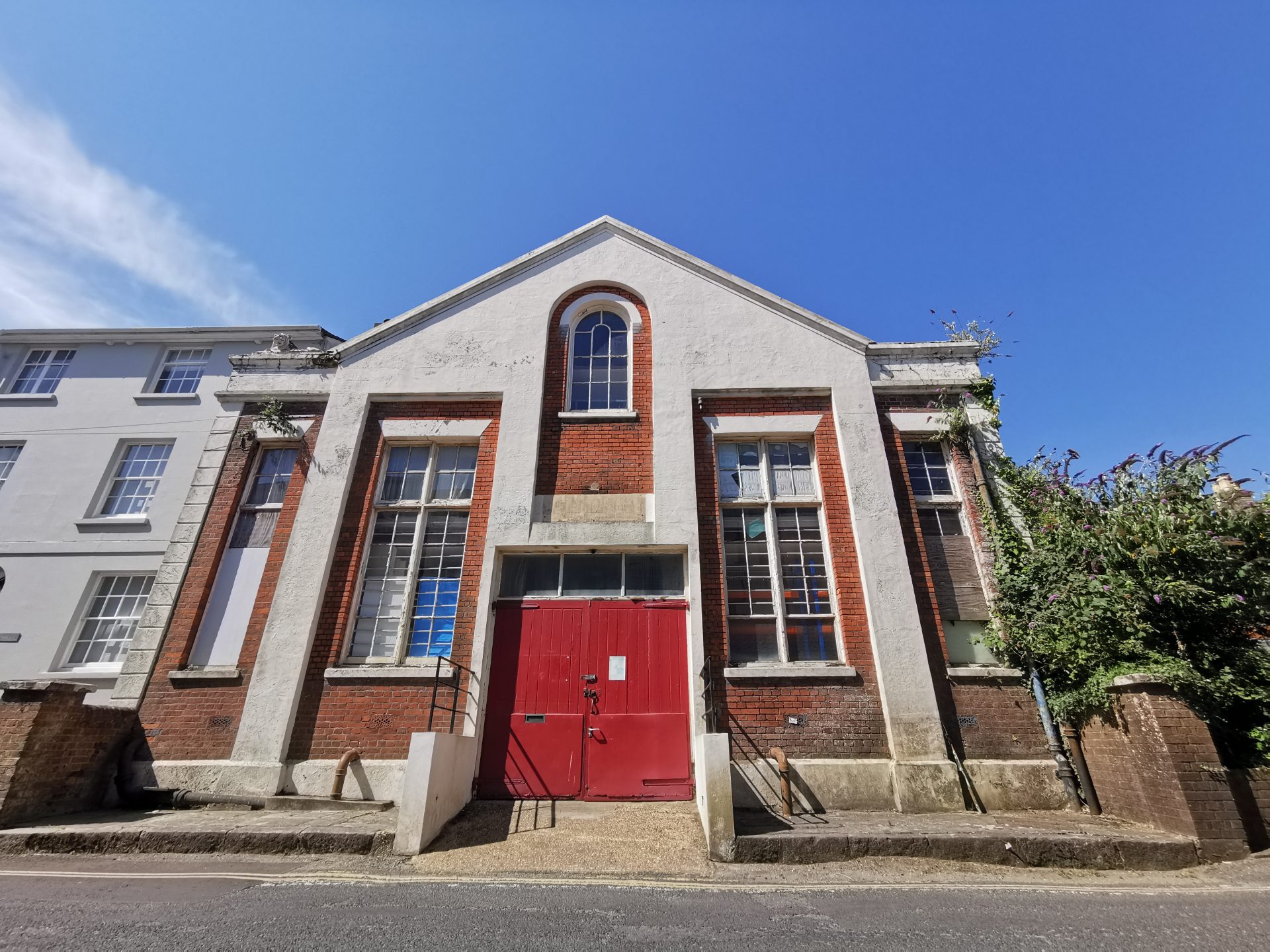
The Bath Road frontage of Lymington Drill Hall, with its red entrance doors beneath an arched gable
The Drill Hall's Bath Road frontage today. Photograph: Maritime Futures Hub.

Interactive timeline

160 years at a glance

Lymington & the Drill HallWider Hampshire & Solent contextUnder research
  1. 1859 — Lymington Rifle Volunteers
    Lymington & the Drill Hall

    Formation of the 3rd Hampshire Rifle Volunteer Corps

    In December 1859 Lymington men came together as the 3rd Hampshire Rifle Volunteer Corps — part of a nationwide response to fears of invasion.

  2. 1860s — The Volunteer Movement
    Wider Hampshire & Solent context

    Local volunteer units became part of Hampshire's organised defence structure

    Across the county, small town corps like Lymington's were drawn into a more organised network of volunteer defence.

  3. 1880 — Reorganisation
    Wider Hampshire & Solent context

    Volunteer units were consolidated into larger formations

    Separate corps were consolidated into larger battalions, linking local volunteers more closely with the county regiment.

  4. 1908 — Territorial Force
    Wider Hampshire & Solent context

    National reforms reorganised Britain's volunteer military forces

    The volunteers became part of the new Territorial Force — the structure in which many local men would enter the First World War.

  5. 1914–1918 — First World War
    Wider Hampshire & Solent context

    Local servicemen joined the wider Hampshire Regiment war effort

    Territorial battalions of the Hampshire Regiment served overseas, including garrison duty in India and campaigns further afield.

  6. 1939–1945 — Second World War
    Wider Hampshire & Solent context

    Lymington's strategic coastal position became increasingly important

    On the Solent coast, Lymington lay within a landscape of training, coastal defence, observation and wartime maritime activity.

  7. 1944 — D-Day
    Under research

    The Solent and surrounding coastline played an important part in preparations for the Normandy landings

    The Solent was a vital gateway for Operation Overlord. Any specific link between the Drill Hall and D-Day activity is still being researched.

  8. Post-war — Cadet generations
    Lymington & the Drill Hall

    The building continued to support youth training and development

    For generations, young people came to the Drill Hall as cadets — learning teamwork, leadership and practical skills.

  9. 2026 — A new chapter
    Lymington & the Drill Hall

    Following the end of cadet use, the building's future is being reconsidered

    With cadet use of the building ending in July 2026, the Maritime Futures Hub proposes a new community future for the Drill Hall.

1859 onwards · The Victorian Rifle Volunteers

When Lymington Answered the Call

In December 1859 the 3rd Hampshire Rifle Volunteer Corps was formed at Lymington. Fears of a French invasion had prompted a wave of volunteering across Britain, as towns and villages raised their own local defence units.

Drill halls became the heart of that movement: places for military training, rifle practice and physical exercise, and also for organising community life around a shared sense of duty.

Over the following decades the original rifle volunteers passed into the Hampshire Regiment's later volunteer and territorial structures, carrying the local tradition forward into the twentieth century.

Militia, Rifle Volunteers, Territorial Force and cadets — what's the difference?
Militia
A long-established part-time force, historically raised by ballot or recruitment for home defence.
Rifle Volunteers
Locally raised volunteer corps formed from 1859, when invasion fears inspired communities to organise their own defence.
Territorial Force
Created in 1908 by national reforms, bringing volunteer units into a single organised reserve army.
Cadets
Youth organisations offering young people training, adventure and personal development. Cadets are not serving members of the armed forces.

1914–1918 · The First World War

From Lymington to the Wider World

Before and during the First World War, local men trained with Hampshire territorial units, learning their drill and musketry close to home.

The 7th Hampshire Regiment, commonly associated with the New Forest Battalion, was deployed to India in 1914. The 1/7th Battalion formed part of the Territorial Force contribution to imperial garrison duties, freeing regular troops for other wartime service.

A family story

Under research

Fred Phillips

Fred Phillips was a Lymington man who served in the territorials before the First World War.

His family recalls that Fred would likely have trained at the Lymington Drill Hall with the 7th Hampshires. He went on to serve with the 4th Hampshires in Mesopotamia, and survived the war.

His family still keeps his medals and his Princess Mary Christmas gift tin.

The Drill Hall training connection is a family recollection, not a documented fact, and remains under research.
Does your family have a Drill Hall story? We'd love to hear it.

1939–1945 · The Second World War

Lymington at War

Lymington sat within a wider wartime landscape across the Solent and New Forest, close to Southampton, Portsmouth, the Isle of Wight and the embarkation routes used in 1944.

Training and mobilisation

Local military training and the mobilisation of people across the area.

Wider Hampshire & Solent context

Coastal defence and observation

Watching and defending a coastline that faced occupied Europe.

Wider Hampshire & Solent context

Searchlights and air defence

Protecting the skies over the Solent's ports and shipyards.

Wider Hampshire & Solent context

Wartime maritime activity

Harbours, boatyards and waterways turned to the war effort.

Wider Hampshire & Solent context

D-Day feature · 1944

The Solent — A Gateway to Normandy

In the months before June 1944, the waters and shores of the Solent grew increasingly important to preparations for Operation Overlord, with Southampton and Portsmouth among the key embarkation points for the Normandy landings.

Whether the Drill Hall itself played a specific part in D-Day activity is an area of continuing research. The Normandy invasion was not planned or commanded from this building.

Maps and archival photographs will be added once sources and reproduction rights are confirmed.

The Drill Hall rifle range

A Hidden Piece of Military History

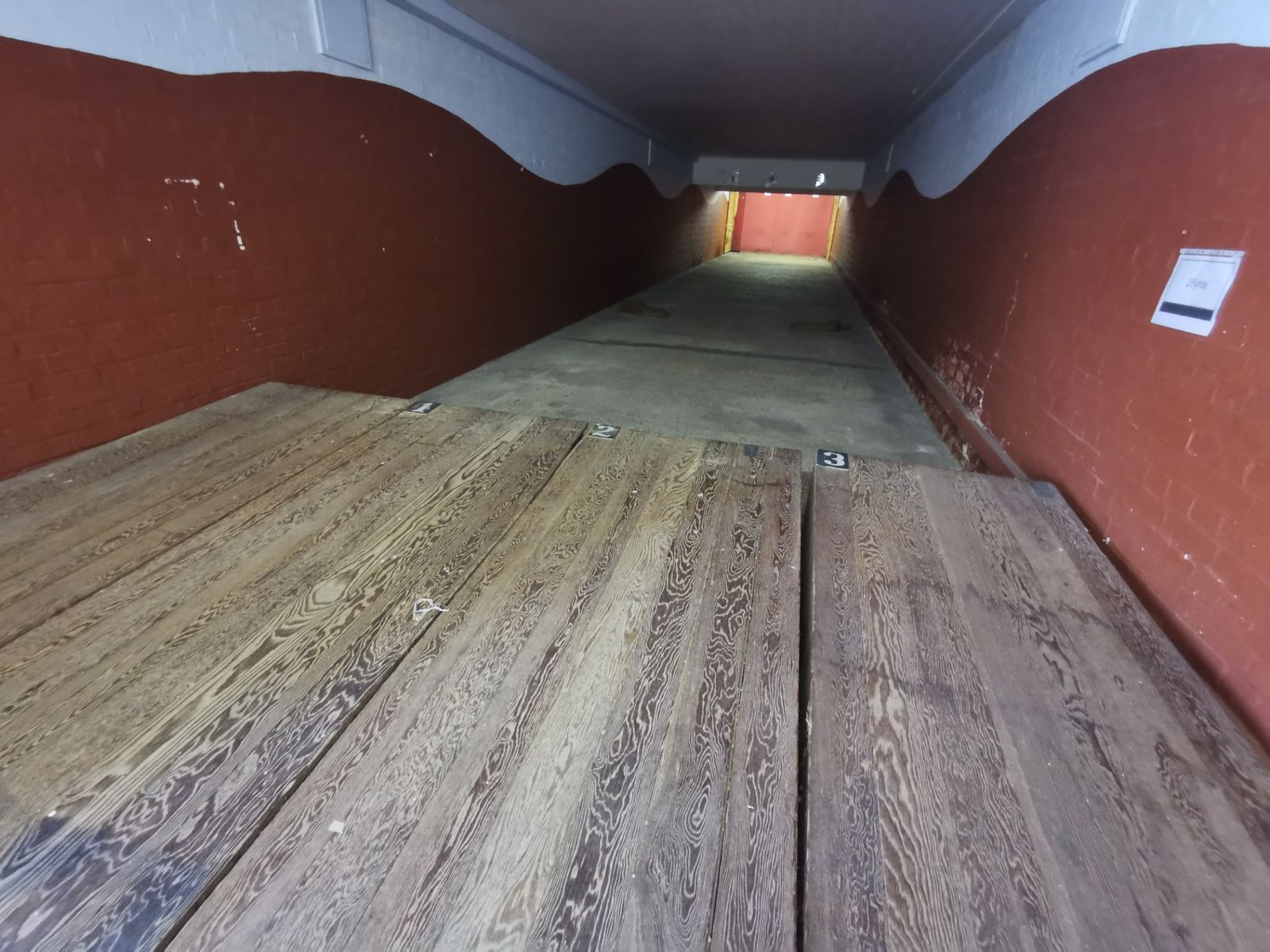
Long indoor range with red-painted walls and wooden firing-point benches numbered one to three
The surviving indoor range today. Photograph: Maritime Futures Hub.

Inside the building survives an indoor rifle range — approximately 25 metres long, with an adjoining preparation area — historically used for small-bore rifle training. Its construction date has not yet been confirmed by building records.

The surviving range offers a tangible link to generations who learned discipline, concentration and practical skills within these walls.

  • Approximately 25 metres long
  • Adjoining preparation area
  • Red-painted walls and numbered firing points survive
  • Construction date awaiting confirmation

How indoor rifle training evolved

Victorian volunteers

Rifle practice largely took place on outdoor ranges, with drill halls used for drill and instruction.

Early twentieth century

Indoor small-bore ranges allowed safe, year-round marksmanship training in towns.

Cadet era

Small-bore shooting became a disciplined activity teaching focus, safety and self-control.

The proposed Drill Hall Range heritage experience is a future plan. No live-fire activity has been approved. About the proposed Drill Hall Range

Generations of cadets

Learning to Lead

For generations, young people came through the Drill Hall's doors as cadets. Many remember it as the place where they first found their confidence.

  • Confidence and self-discipline
  • Leadership and teamwork
  • Outdoor and practical skills
  • Service and responsibility
  • Friendships across generations

In July 2026 the final cadet parade marked the end of cadet use of the building — a significant moment in its history. The cadet organisations themselves continue their work elsewhere.

Photographs of local cadets will be added only where permission has been obtained.

The people behind the history

Their Stories. Our History.

A growing archive of local memories. Each profile can include a portrait, service dates, a personal story, photographs, documents and source attribution — published only with permission.

Rifle Volunteers

No stories published yet. Profiles will appear here once shared and approved.

Territorial soldiers

No stories published yet. Profiles will appear here once shared and approved.

First and Second World War servicemen

No stories published yet. Profiles will appear here once shared and approved.

Cadet instructors

No stories published yet. Profiles will appear here once shared and approved.

Former cadets

No stories published yet. Profiles will appear here once shared and approved.

Families connected with the Drill Hall

No stories published yet. Profiles will appear here once shared and approved.

Share your story →

Share a memory

Did you, or someone in your family, train, serve or parade at the Drill Hall? Tell us — every story helps.

How would you like to be credited?

By sending this information and any photographs, you are granting permission for them to appear on the Maritime Futures Hub website. If you'd rather your story was kept for research only, please say so in your message.

Pressing the button opens an email in your own mail app — this website doesn't store anything. You can attach photographs to that email before sending. See our Privacy Policy.

Photographic heritage

Then and Now

Present-day photographs of the building. Historical images will be paired alongside only once their source and reproduction rights are confirmed — we never use reconstructions in place of real photographs.

The Drill Hall's Bath Road frontage with its red entrance doors
Bath Road entrance — Present day. Historical photograph being sought.
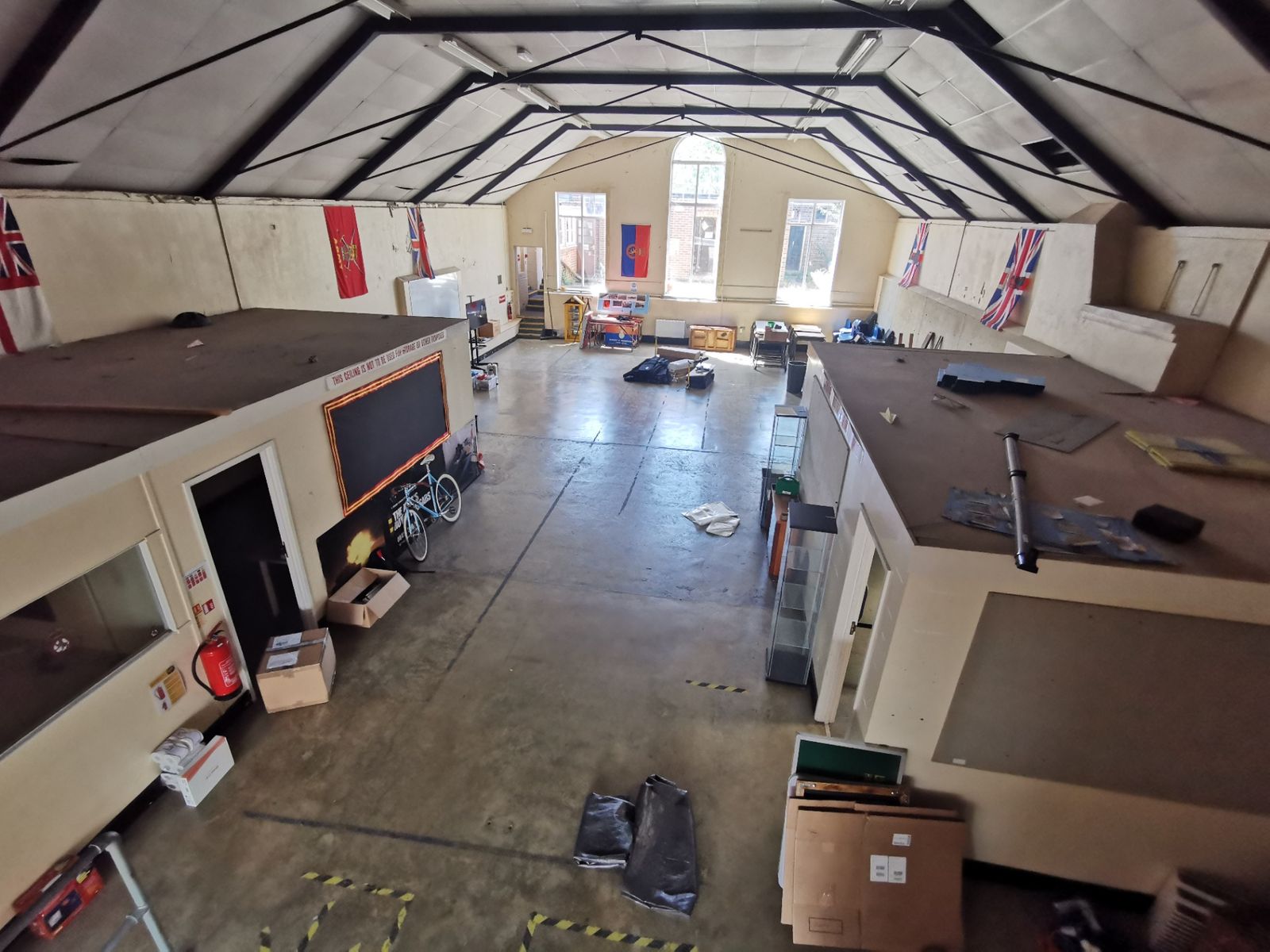
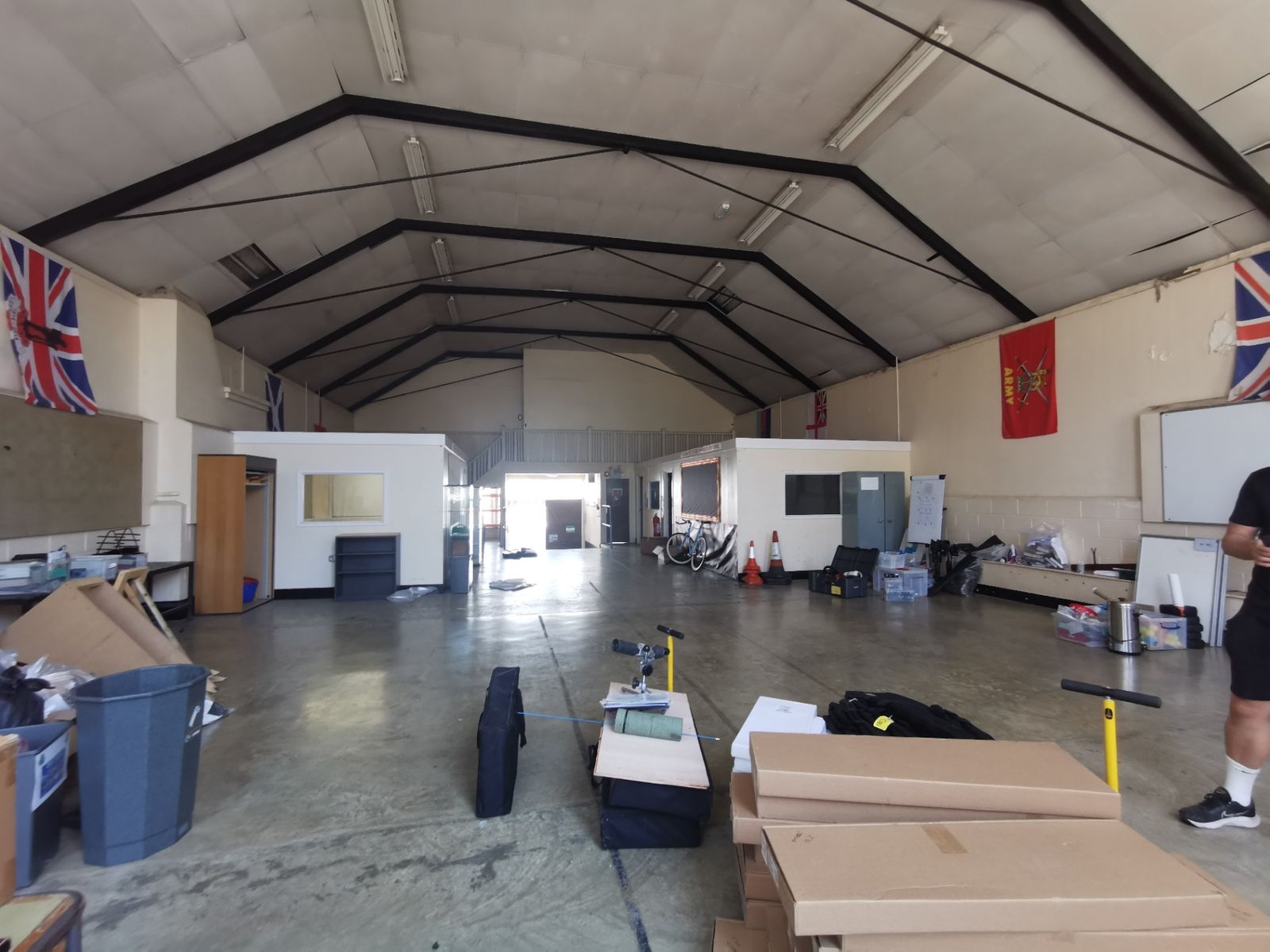
Wide view of the main drill hall with steel roof trusses
Main parade and training hall — Present day. Historical photograph being sought.
The indoor range with numbered firing points
Rifle range — Present day. Historical photograph being sought.
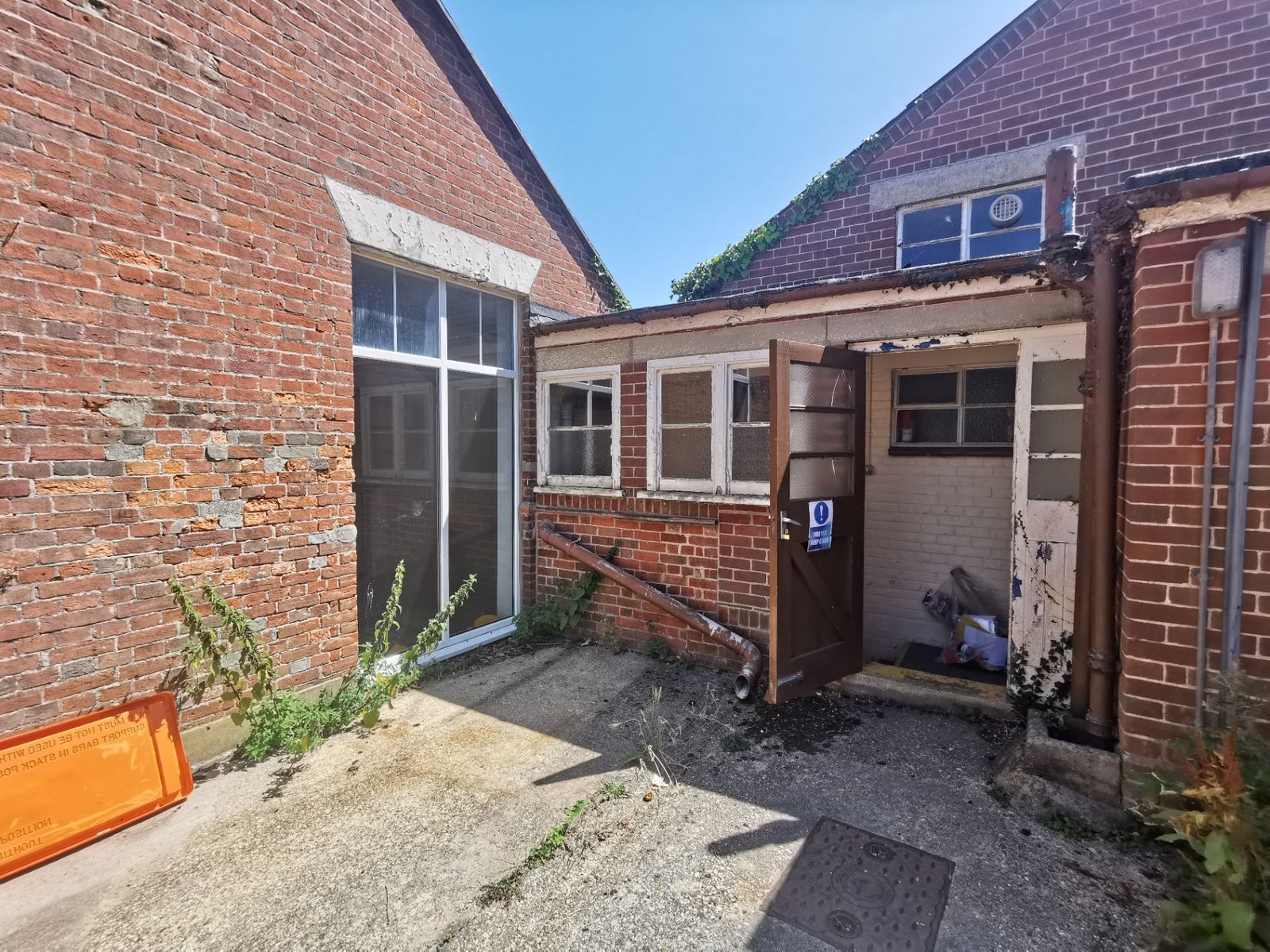
Brick courtyard and walls of the Drill Hall
External brickwork — Present day. Historical photograph being sought.
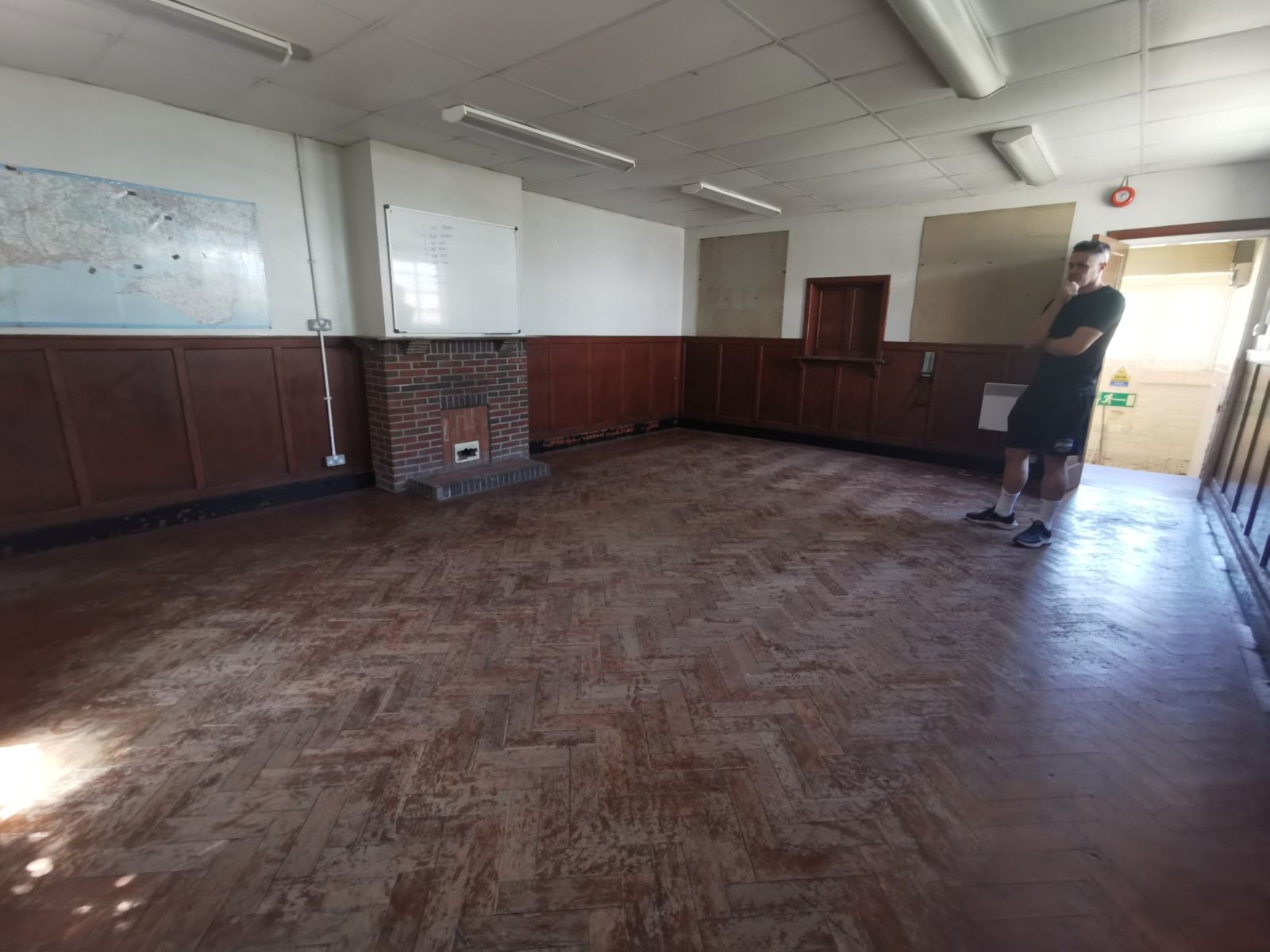
Parquet-floored room with original brick fireplace
Surviving architectural details — Present day. Historical photograph being sought.
The main hall seen from the upper level
The hall from above — Present day. Historical photograph being sought.

From military service to community service

A New Mission for a Historic Building

For generations, Lymington Drill Hall helped local people develop the confidence, skills and friendships that would shape their lives.

Its military purpose may have changed, but the values of service, teamwork, discipline and belonging remain as relevant as ever.

The Maritime Futures Hub proposes to carry those values forward — preserving the building's extraordinary history while creating new opportunities for young people and the wider community.

Our ambition is not to erase the past, but to give it a meaningful future.

Our Heritage. Our Community. Our Future.

Historical sources

Every historical image will carry its collection, title, date, attribution and reproduction rights. Stories marked "Under research" have not yet been documented.